
Alien Nutrition: What Do ETs Eat to Sustain Themselves?
The concept of extraterrestrial life has intrigued humans for centuries, leading to countless speculations and theories about their existence and habits. One fascinating aspect of this speculation is the question of what aliens might eat to sustain themselves. In this blog post, we will delve into the myterity of alien nutrition, exploring the possibilities and challenges that such a concept presents.
 When we think of aliens, we often imagine beings that are vastly different from us in appearance and physiology. This leads to the intriguing question: What could they possibly eat to survive? The myterity deepens when we consider the vast diversity of life on Earth and the various dietary preferences of animals and plants. From herbivores to carnivores, and even those who rely on photosynthesis, our planet showcases the range of possibilities for alien nutrition.
 One approach to understanding alien nutrition is to consider alternative biochemistries. If extraterrestrial life forms are based on different chemical compositions, their dietary requirements may also differ significantly from what we are familiar with. For instance, they might rely on exotic chemical compounds or even harness energy directly from their environment, rather than consuming traditional food.
 The myterity of alien nutrition becomes particularly evident when we think about the logistics of food in the context of interstellar travel. The vast distances between star systems pose significant challenges for procuring and transporting food. For humans, long-duration space missions involve carefully planned diets and food storage solutions. Extraterrestrial civilizations would likely have their own strategies for addressing these challenges.
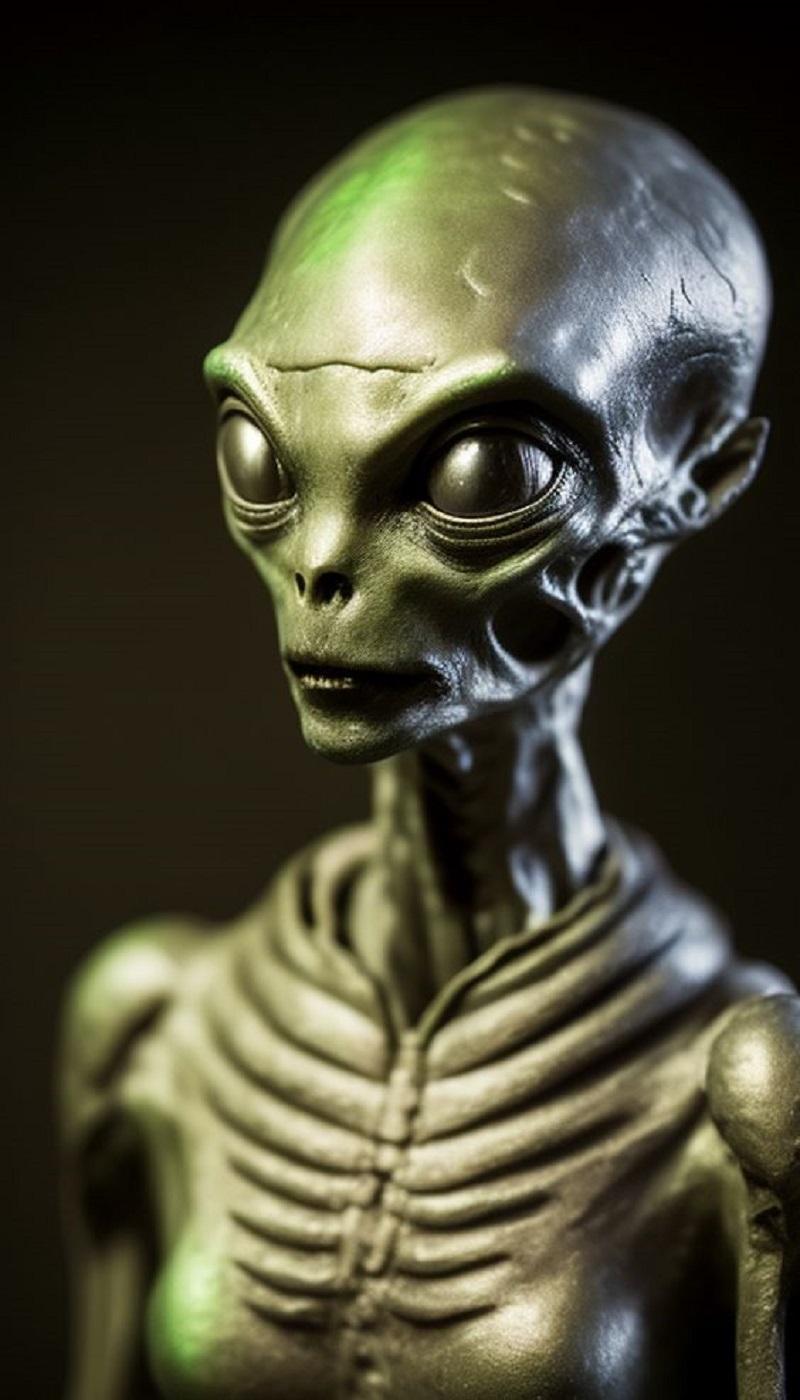 As we ponder the question of what ETs might eat, we encounter a myriad of myterious possibilities. From exotic diets to alternative biochemistries, the realm of alien nutrition is a fascinating subject for both scientific exploration and science fiction. While we may never have definitive answers until contact with extraterrestrial life is established, it is essential to remain open to the myterity of the cosmos and the limitless diversity it may hold.
 The concept of alien nutrition invites us to explore the unknown and imagine the myriad possibilities that the universe may offer. Whether extraterrestrial beings consume food as we do or rely on completely different mechanisms for sustenance, the myterity of their dietary habits adds depth to the ongoing quest for understanding the potential life beyond our planet. Until the day we make contact with ETs, the myterity of alien nutrition remains a subject of fascination and speculation, driving our curiosity about the vast cosmos and its potential inhabitants.
I. The Myterious Dietary Needs of Extraterrestrials
When we think of aliens, we often imagine beings that are vastly different from us in appearance and physiology. This leads to the intriguing question: What could they possibly eat to survive? The myterity deepens when we consider the vast diversity of life on Earth and the various dietary preferences of animals and plants. From herbivores to carnivores, and even those who rely on photosynthesis, our planet showcases the range of possibilities for alien nutrition.
II. Alternative Biochemistries and Alien Diets
One approach to understanding alien nutrition is to consider alternative biochemistries. If extraterrestrial life forms are based on different chemical compositions, their dietary requirements may also differ significantly from what we are familiar with. For instance, they might rely on exotic chemical compounds or even harness energy directly from their environment, rather than consuming traditional food.
III. The Challenge of Interstellar Nutrition
IV. Concluding Thoughts: The Myterious Aspects of Alien Life
As we ponder the question of what ETs might eat, we encounter a myriad of myterious possibilities. From exotic diets to alternative biochemistries, the realm of alien nutrition is a fascinating subject for both scientific exploration and science fiction. While we may never have definitive answers until contact with extraterrestrial life is established, it is essential to remain open to the myterity of the cosmos and the limitless diversity it may hold.
The concept of alien nutrition invites us to explore the unknown and imagine the myriad possibilities that the universe may offer. Whether extraterrestrial beings consume food as we do or rely on completely different mechanisms for sustenance, the myterity of their dietary habits adds depth to the ongoing quest for understanding the potential life beyond our planet. Until the day we make contact with ETs, the myterity of alien nutrition remains a subject of fascination and speculation, driving our curiosity about the vast cosmos and its potential inhabitants.May You Like

UFO Shapes in Radar Data: Analyzing Unknown Signatures
May 13, 2025•News

Top 5 Once In A Lifetime Songbirds
May 13, 2025•News

The Bright and Energetic World of Border Terriers
May 13, 2025•News

The universe is a vast and awe-inspiring expanse, and humans have spent centuries trying to understand it from our unique perspective. But what if there are other intelligent beings out there, aliens, who perceive the cosmos in a completely different way? In this blog post, we will embark on a journey of imagination to explore how extraterrestrial civilizations might perceive the universe, shedding light on the mysteries of their potential existence.
I. Alien Senses and Sensibilities
To understand how aliens might perceive the universe, we must first consider the sensory capabilities they possess. While humans rely on a limited set of senses, such as sight, hearing, and touch, aliens might have an entirely different range of sensory abilities. These could include sensing various forms of energy, perceiving different dimensions, or even communicating through means we can’t fathom. These unique senses would give them an entirely distinctive view of the universe.
II. Alien Interpretations of Cosmic Phenomena
As we gaze at the stars, we see celestial bodies, galaxies, and cosmic phenomena through the lens of our scientific understanding. Aliens, on the other hand, might have an entirely different perspective on these cosmic wonders. They might interpret these phenomena in ways that are beyond our comprehension, understanding the universe in ways that challenge our human-centric notions.
III. Cultural and Philosophical Variations
Just as human culture and philosophy influence our perception of the universe, alien civilizations would be shaped by their unique cultural and philosophical perspectives. How they view the cosmos, their place in it, and their understanding of its mysteries would be informed by their own history, beliefs, and values. This could lead to entirely different interpretations of the universe’s purpose and significance.
IV. The Enigma of Alien Perspectives
While pondering how aliens might perceive the universe is a thought-provoking exercise in imagination, it underscores the profound mysteries surrounding the search for extraterrestrial life. The cosmos is an enigmatic and vast expanse, and the diversity of potential extraterrestrial perspectives adds layers of intrigue to our quest to understand the mysteries of the universe and the enigma of alien UFOs.
In conclusion, considering how aliens might perceive the universe offers a fascinating journey into the realm of the unknown. With distinct senses, interpretations of cosmic phenomena, and cultural influences, their view of the cosmos would be unlike anything we can comprehend. This exercise in imagination reminds us of the endless possibilities and mysteries that exist beyond our human perspective and adds depth to our fascination with the unknown.
Post Views: 421
Related