Dive into Tranquility: Why an Aquarium in Your Garden Is a Unique Choice
Gardens have long been spaces for relaxation and connection with nature. But what if you could take that connection a step further by introducing a mesmerizing underwater world into your outdoor sanctuary? The concept of having an aquarium in your garden might seem unusual, but it’s a captivating and unique choice that can enhance the aesthetics and tranquility of your outdoor space. In this guide, we’ll explore the reasons behind this intriguing idea and how it can transform your garden into a haven of wonder and serenity.
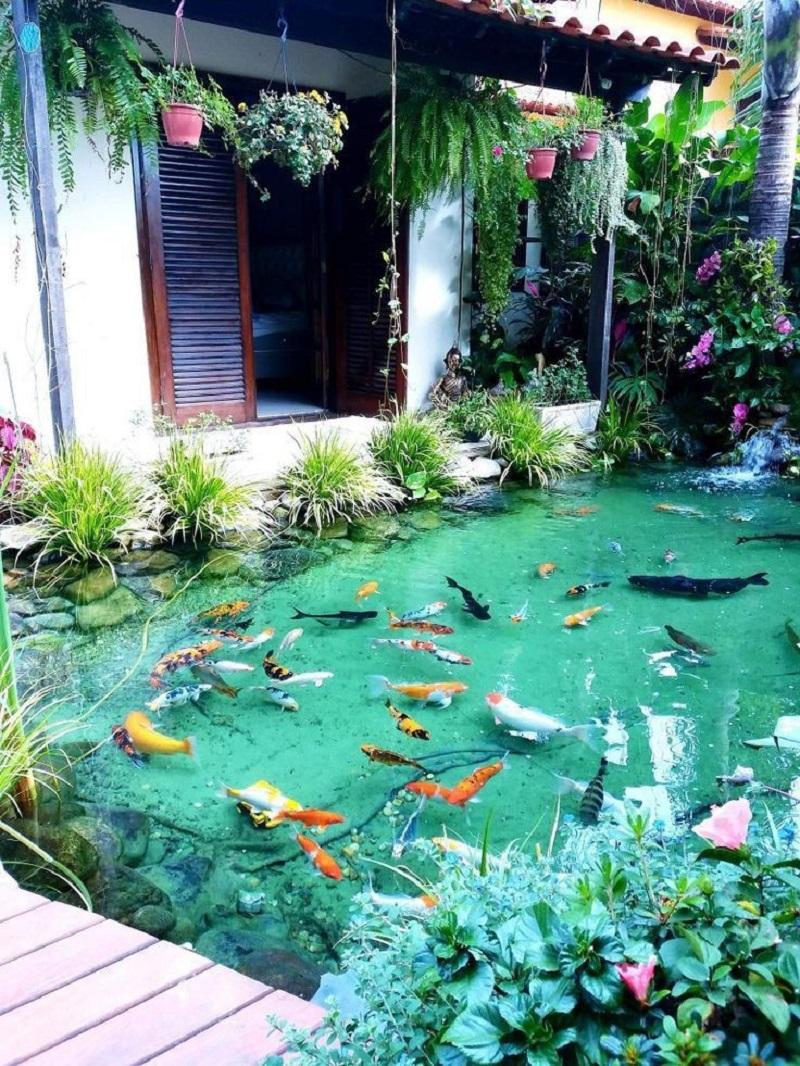
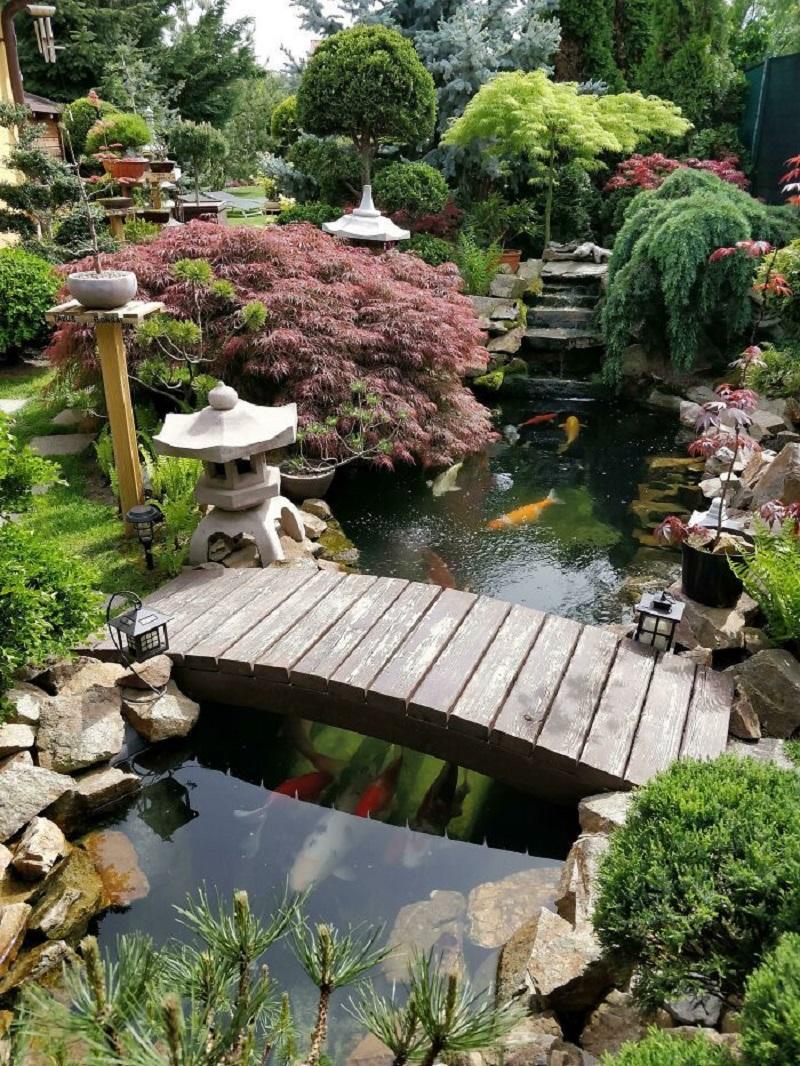
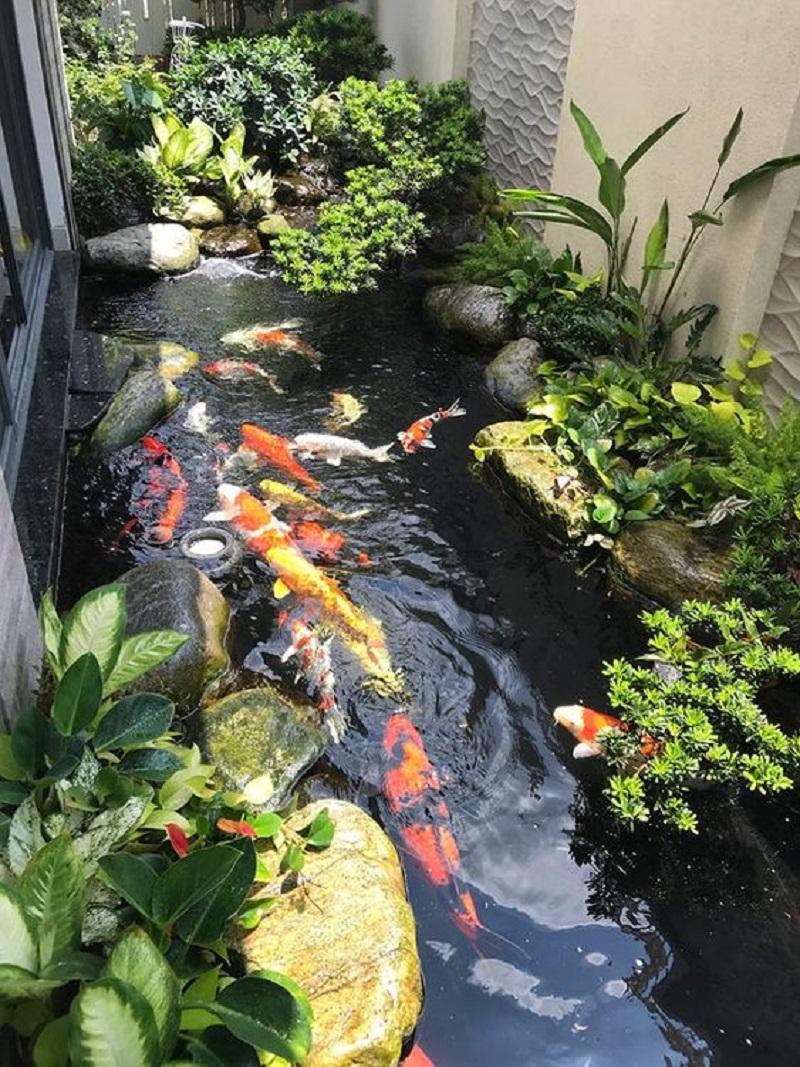
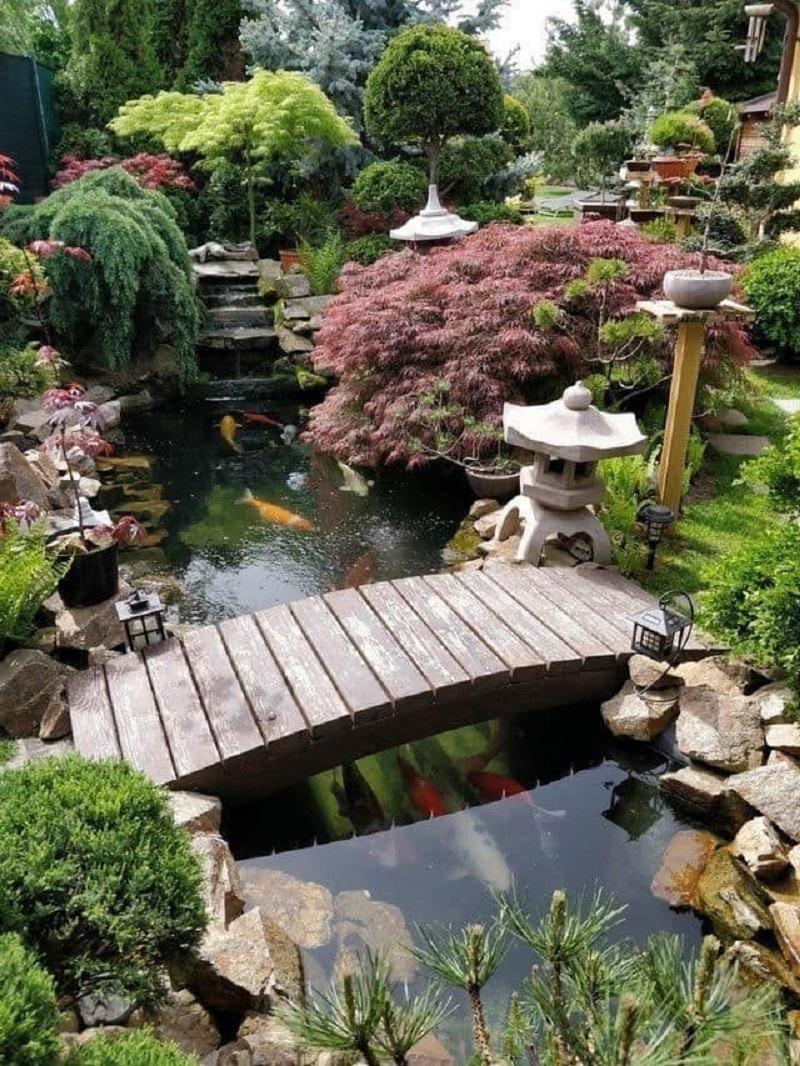
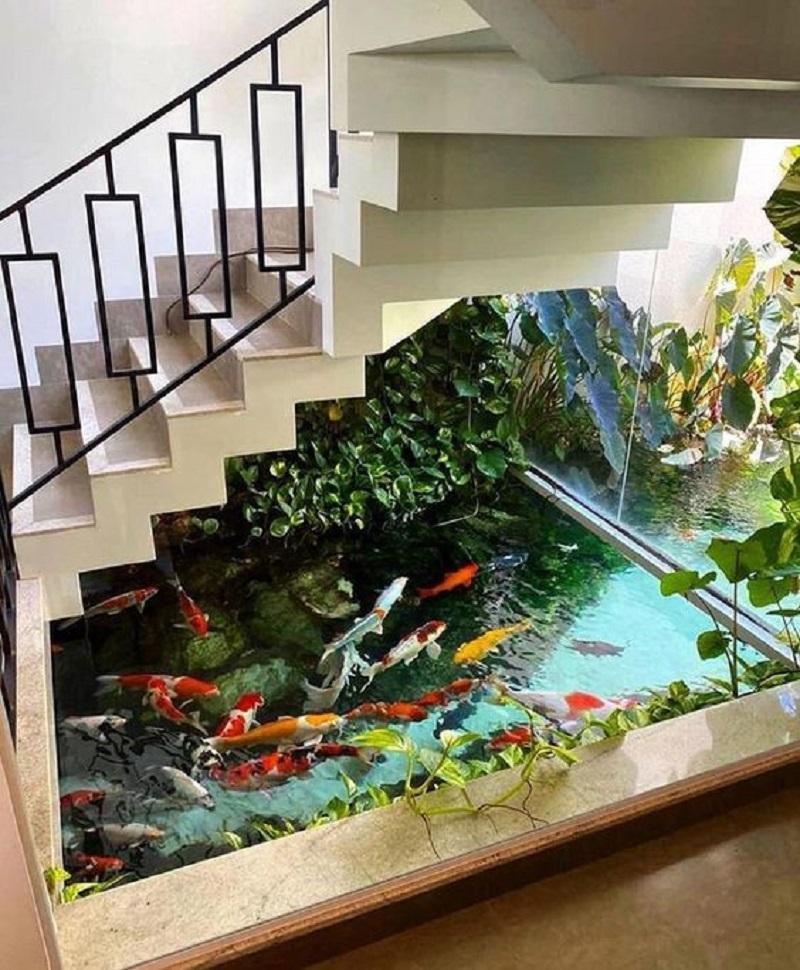 While an outdoor garden aquarium may not be a traditional component of your home’s interior decor, it can harmonize with your home decoration and arrangement in several ways:
1. A Garden of Underwater Wonders: The Allure of Aquatic Life
a. Mesmerizing Beauty
One of the primary reasons to consider an outdoor garden aquarium is the mesmerizing beauty of aquatic life. From vibrant fish to swaying aquatic plants, the underwater world offers a captivating visual experience that can rival any garden landscape.b. Calming and Soothing
The gentle motion of fish swimming and the sound of water create a soothing and calming atmosphere. The tranquil ambiance can serve as a perfect escape from the stresses of everyday life.c. Educational and Entertaining
An outdoor garden aquarium can be both educational and entertaining. It offers a unique opportunity to observe aquatic ecosystems up close, providing a valuable learning experience for children and adults alike.2. Harmonizing with Nature: A Unique Garden Feature
a. A Natural Connection
Introducing an outdoor aquarium enhances your garden’s connection with the natural world. It can attract local wildlife, such as birds and insects, and create a harmonious ecosystem within your outdoor space.b. Integration with Landscaping
An outdoor garden aquarium can be seamlessly integrated into your garden’s landscaping. By choosing the right location and design, you can make it a cohesive and stunning element of your garden.c. Aesthetic Enhancement
The presence of an aquarium elevates your garden’s aesthetics, adding depth and visual interest to your outdoor space. The combination of underwater life and lush greenery creates a unique and picturesque environment.3. Low Maintenance and Sustainability: A Rewarding Addition
a. Low Maintenance
Outdoor garden aquariums can be surprisingly low-maintenance. By choosing the right aquatic plants and fish, you can create a self-sustaining ecosystem that requires minimal care.b. Sustainable Features
An outdoor garden aquarium can be designed with sustainability in mind. The use of rainwater collection and solar-powered filtration systems can reduce its environmental impact.c. Attracting Beneficial Insects
Aquatic environments in your garden can attract beneficial insects like dragonflies, which can help control pests and promote a healthy and balanced garden ecosystem.4. A Personal Touch: Customizing Your Garden Aquarium
a. Design Flexibility
When creating an outdoor garden aquarium, you have the freedom to design it to your liking. You can choose the size, shape, and layout that best suits your garden’s aesthetics and your personal preferences.b. Aquatic Selection
The selection of fish, plants, and other aquatic features is entirely up to you. Customize your outdoor aquarium with species that resonate with your vision for the space.c. Seasonal Changes
Your outdoor garden aquarium can evolve with the seasons. By selecting cold-water or tropical species, you can adapt the underwater landscape to reflect the changing colors and dynamics of your garden throughout the year.Home Decoration and Arrangement
While an outdoor garden aquarium may not be a traditional component of your home’s interior decor, it can harmonize with your home decoration and arrangement in several ways:
1. Aesthetic Integration
Design your outdoor aquarium to align with your garden’s overall aesthetics. Coordinate the colors, materials, and shapes to create a harmonious visual connection.2. Natural Transitions
Ensure smooth transitions between your garden and the aquarium. Pathways, stepping stones, or bridges can facilitate easy movement between these areas.3. Coordinated Seating Areas
Place seating areas near your garden aquarium to create a tranquil space for relaxation and contemplation. Select outdoor furniture that complements the aesthetics of your outdoor oasis.4. Lighting and Plant Integration
Incorporate landscape lighting to showcase the beauty of your outdoor aquarium during evening hours. Additionally, use aquatic plants that complement the garden’s flora for a seamless blend of greenery and aquatic life. In conclusion, an outdoor garden aquarium is a unique and enchanting choice that can elevate the aesthetics and tranquility of your outdoor space. With the mesmerizing beauty of aquatic life, its harmonious integration with nature, low maintenance features, and customization possibilities, an outdoor garden aquarium can transform your garden into a haven of wonder and serenity. To ensure that it harmonizes with your home decoration and arrangement, design it to complement your garden’s aesthetics, create smooth transitions, coordinate seating areas, and integrate lighting and plant selections. With an outdoor garden aquarium, you can dive into a world of unique beauty and serenity right in your backyard.May You Like

The Dogon Tribe and Sirius B: An Ancient Alien Connection?
May 13, 2025•News
Top 5 Once In A Lifetime Songbirds
May 13, 2025•News

The Science of UFOs Investigating Unidentified Flying Objects
May 13, 2025•News
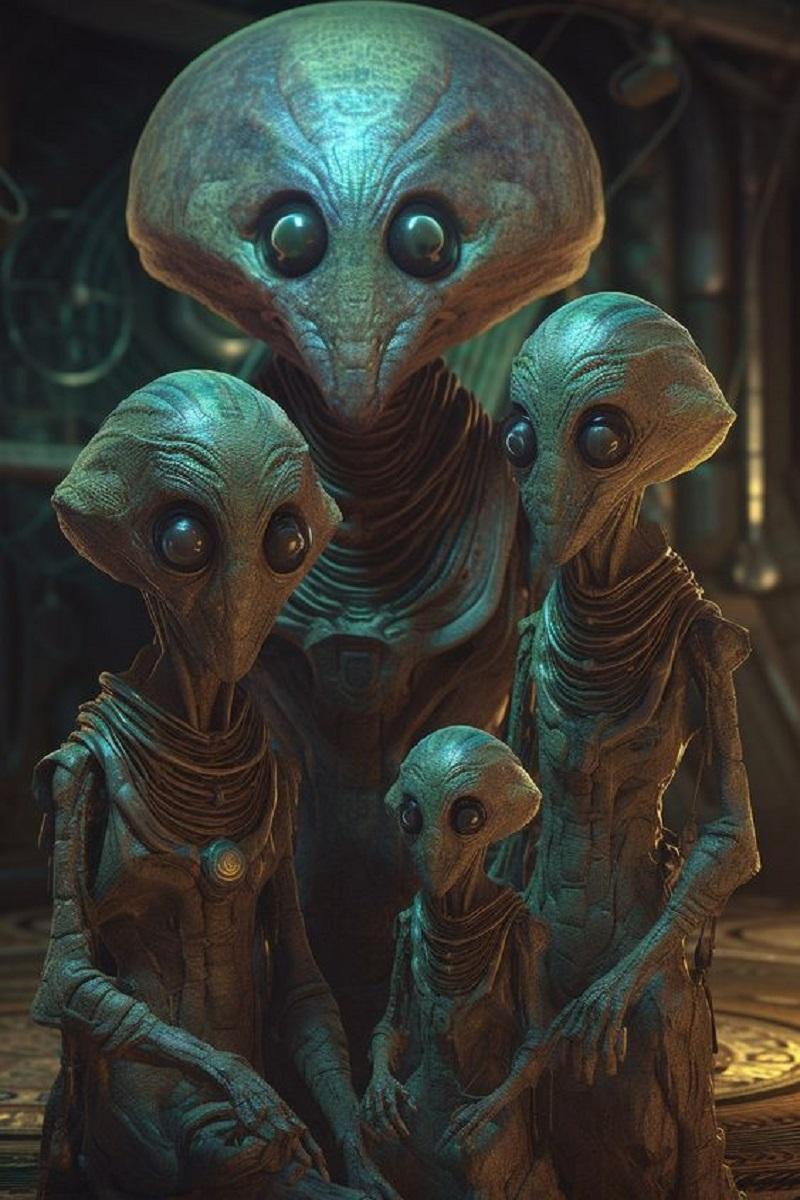
The fascination with extraterrestrial life often leads us to ponder the nature of their societies and social structures. While we have limited knowledge of potential alien civilizations, the question of whether aliens live like a family together is a topic that has stirred curiosity and inspired countless speculations. In this blog post, we will explore the concept of alien families and delve into the possibilities, considering both the scientific and imaginative perspectives.
I. Theories on Extraterrestrial Social Structures
The question of how aliens might live and organize themselves remains largely speculative, as we have no direct evidence of extraterrestrial life. However, various theories and hypotheses have been put forth by scientists and science fiction enthusiasts alike. Some posit that alien civilizations could be organized in ways similar to human societies, while others envision entirely unique social structures.
II. Human-Like Alien Families
One theory suggests that if extraterrestrial life exists, it could resemble our own family units. Proponents of this idea argue that life on other planets may have evolved in a manner similar to Earth and thus possess comparable social structures, including family units. This theory is based on the assumption that certain aspects of life, such as the need for reproduction and childcare, could be universal.
III. Hive-Mind and Collective Intelligence
Another intriguing possibility is that some alien species might operate as a collective, similar to a hive-mind. In such societies, individual identity might be secondary to the group’s collective intelligence and shared decision-making. This concept challenges our understanding of family as we know it and suggests a highly interconnected existence.
IV. The Enigma of Alien UFOs
The idea of alien families, whether resembling our own or having entirely different social structures, is shrouded in mystery, much like the broader question of extraterrestrial life. While we may not have definitive answers, the allure of the unknown and the mysteries of alien UFOs continue to captivate our imaginations.
In conclusion, the concept of alien families and extraterrestrial social structures remains a subject of speculation and intrigue. As we explore the possibilities, we must acknowledge the enigma surrounding the existence of alien life and their potential societal arrangements. The mysteries of the cosmos and the fascination with alien UFOs remind us that our understanding of the universe is a constantly evolving journey, full of endless possibilities and uncharted territories.
Post Views: 634
Related