Logo

How to Make Kulfi Ice Cream (No-Churn Indian Ice Cream): A Heavenly Delight in Every Bite

Kulfi, the delightful Indian frozen dessert, has been captivating taste buds for generations. This velvety, rich treat offers a perfect blend of saffron’s exotic aroma, the warmth of cardamom, the floral essence of rose water, and the crunch of assorted nuts. Best of all, this recipe requires no fancy churner! In just a few simple steps, you can create a homemade Kulfi that rivals the best dessert parlors in town.

The Magic of Saffron and Cardamom

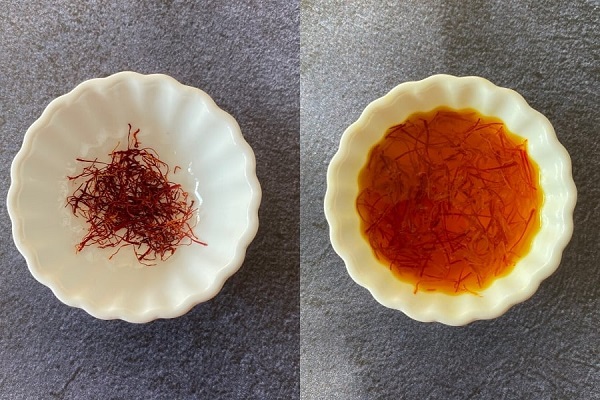
The secret to an authentic Kulfi lies in its aromatic ingredients. Begin by soaking 7-8 strands of saffron in a tablespoon of hot water, releasing its vibrant color and essence. The addition of crushed cardamom pods, with their intense, citrusy flavor, elevates the taste profile. These two ingredients lay the foundation for a Kulfi that is not just sweet but tantalizingly aromatic.
Creamy Indulgence with Condensed Milk

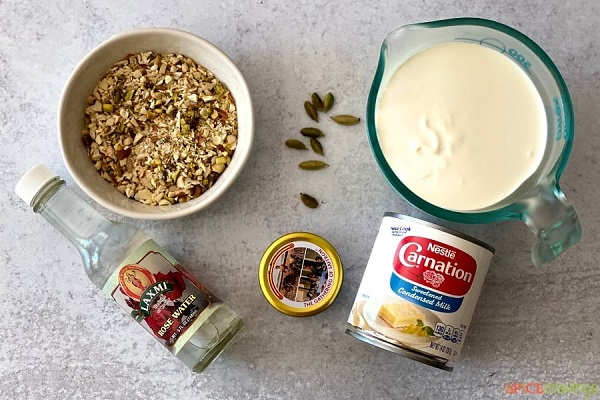
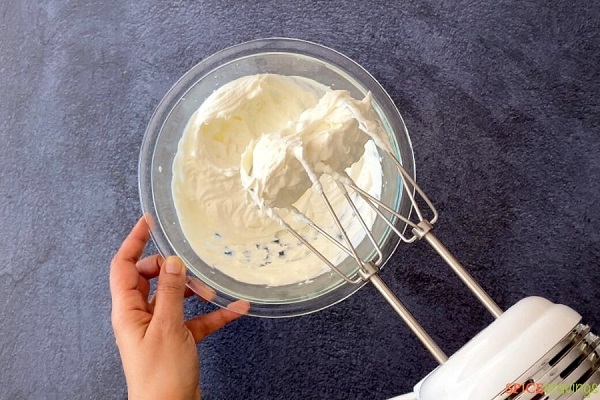
For the creamy base, you’ll need 2 cups of chilled heavy whipping cream and a can of sweetened condensed milk (14 oz). Whisk these together until you achieve soft peaks, creating a luscious, velvety texture that defines the perfect Kulfi. The condensed milk adds sweetness and depth, ensuring a balanced flavor that will leave you craving for more.
The Fragrance of Roses and Crunch of Nuts

Enhancing the aroma, add 2 tablespoons of rose water or kewra essence (substitutions available in the notes). The floral notes blend harmoniously with the saffron and cardamom, creating a Kulfi that not only tastes divine but also smells heavenly. To add a satisfying crunch, incorporate a cup of finely chopped assorted nuts – pistachios, cashews, and almonds. These nuts provide texture and a burst of flavors with every bite.
The No-Churn Magic Unveiled

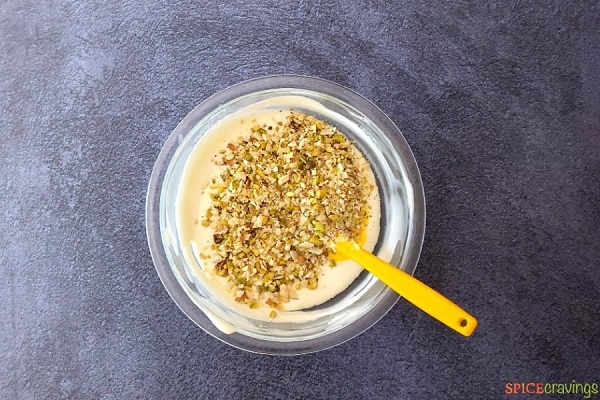
The beauty of this recipe lies in its simplicity. There’s no need for an ice cream churner! After mixing all the ingredients thoroughly, pour the Kulfi mixture into molds, cover them, and let them freeze for at least 6 hours or preferably overnight. This allows the flavors to meld, resulting in a Kulfi that is dense, creamy, and utterly delightful.
Serving and Savoring the Kulfi Experience

Once the Kulfi is fully set, unmold it gently, garnish with a few saffron strands and chopped nuts for an elegant touch. Serve this frozen delight to your guests, and watch their faces light up with joy. The Kulfi’s texture is the perfect balance of creamy and icy, making it an ideal dessert for any occasion.

Making Kulfi at home is a gratifying experience that connects you with India’s rich culinary heritage. With its exotic aroma, creamy texture, and nutty crunch, this homemade delicacy is sure to become a family favorite. So, gather your ingredients, follow these simple steps, and indulge in the heavenly delight that is Kulfi!


Lyrebirds in Their Natural Habitat: Where to Spot Them
So, what do you make of it? I wanted this blog post about Lyrebirds, its songs, gorgeous tail, and strange nesting place to start with a video. I thought the video will capture the attention of bird lovers and would poke their curiosity so much that they would like to plan a Lyrebirds safari when time permits.Anticipating such a desire, I have blogged about:  Places to see lyrebird in their home grounds Their ability to sing various tunes Their prey OMG! What a plumage! I think they need not sing at all to attract their partners. Their lovely, long tail is more than enough for the female lyrebirds to fall instantly in love. Nevertheless, I suppose the male lyrebirds need to sing loudly to let their opposite gender know about their whereabouts. That is the time the male lyrebirds also raise their tail and spread the feathers to attract their lovers. The Song of Lyrebirds I am 100% sure you are simply captivated by the song of the lyrebird. It makes so many different sounds that make the ornithologists say the lyrebird mimics. However, I beg to disagree. It gifted with a great range of song tunes. Oh, I should mention that only the male lyrebirds sing like that. What kinds of places where the lyrebirds can be found? Birds chose to live where their prey are in abundance. The lyrebirds eat worms and insects.  They spotted in wetlands near forests and marshy river banks. However, though there is no dearth of such places all over the world, the lyrebird somehow chose to live in and around the rainforests in Australia. Lyrebird’ long-tail an impediment? Does the voluminous long tail of the lyrebird make flying, a hazardous task? I think so; rather the lyrebirds must think so and that’s why they are not often found in flight.  They mostly walk or run around the forest grounds to peck at their meal. Strange habit of male lyrebird When they want to showcase their beautiful plumage and great singing ability, they somehow find a higher platform on the earth (do they manually make such a place) and go about their business of singing sweetly and dancing with their tail raised over their head. What a performance! Don’t they resemble the male peacock in a miniature way? In fact, the lyrebirds were once known as peacock-wrens and Australian birds-of-paradise. Lyrebirds are found in large numbers in: The mountains of Queensland’s southeast part Yarra Valley, Victoria Tasmania Dandenong Ranges near Melbourne Northeast of New South Wales South Gippsland, Southeast Victoria I wonder if the lyrebird are endemic to the rainforests and mountains of Australia! There are five national park areas in Australia where the beautiful lyrebirds are spotted in their habitat. However, you can only see them if you are lucky as the lyrebird is extremely shy of human beings. The Badger Weir Walks, Victoria Eastern Sherbrooke Forest walk, Kallista, Victoria Eagles Nest walk, New England National Park, New South Wales, Australia Olinda Creek Walking track, Melbourne (50 km only) Lyrebird Forest walk, Gippsland, Victoria To and fro, you will walk for about 5 km approximately through the Gippsland’s forested area. If you are intent on spotting the lyrebird, you must walk slowly, looking around for the elusive lyrebird. It may take about 90 minutes to come back after reaching the walking track. Post Views: 88 Related