Logo

Shapes in Government UFO Databases: A Comprehensive Analysis

UFO sightings have intrigued and mystified people for decades. While many remain skeptical about their existence, governments around the world have collected data on these sightings for years. In this blog post, we will delve into the myterity of UFO shapes as documented in government databases. We will analyze the data to gain a better understanding of the different shapes reported and what they may reveal about the nature of these unidentified flying objects.

 

I. Government UFO Databases: A Treasure Trove of Data

Government agencies, including the United States’ Pentagon and the UK’s Ministry of Defence, have maintained databases of UFO sightings. These databases contain a wealth of information, including descriptions of the shapes and characteristics of UFOs reported by witnesses. While most sightings can be easily explained as natural phenomena or man-made objects, a small percentage defy conventional explanation, making them particularly intriguing.

II. The Myriad Shapes of UFOs
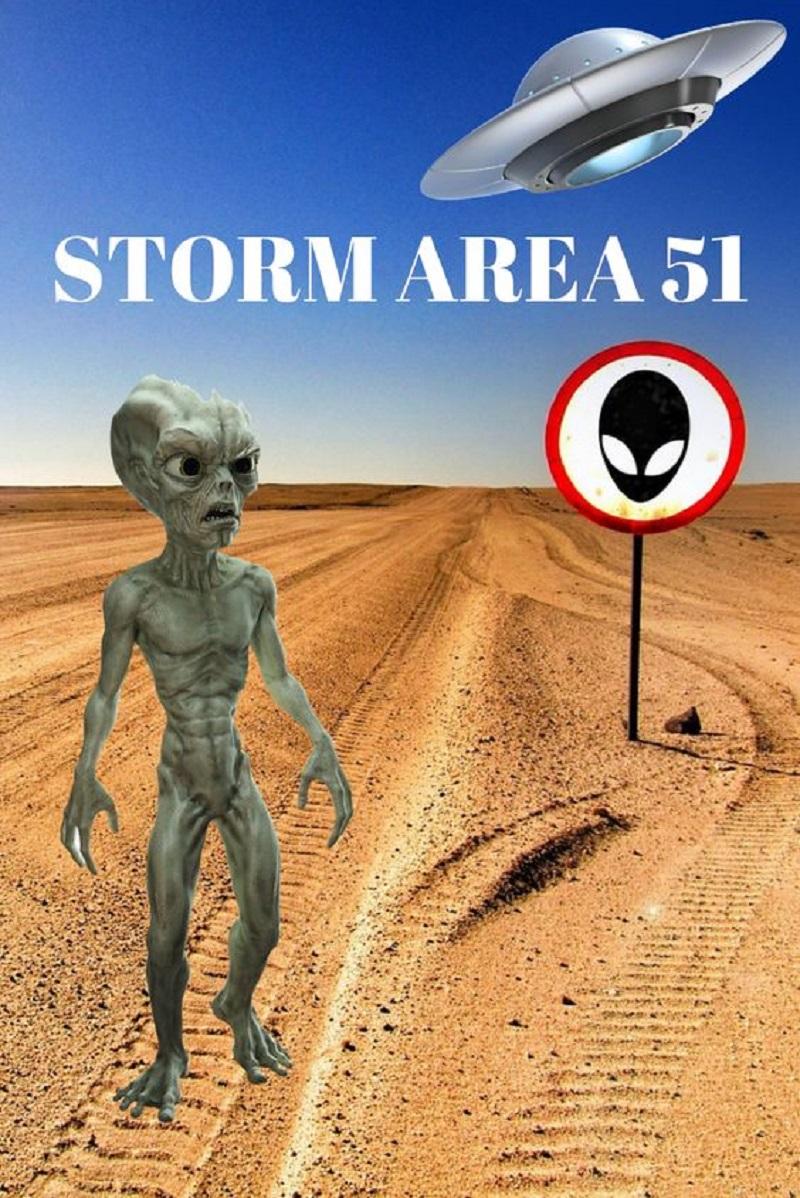
 

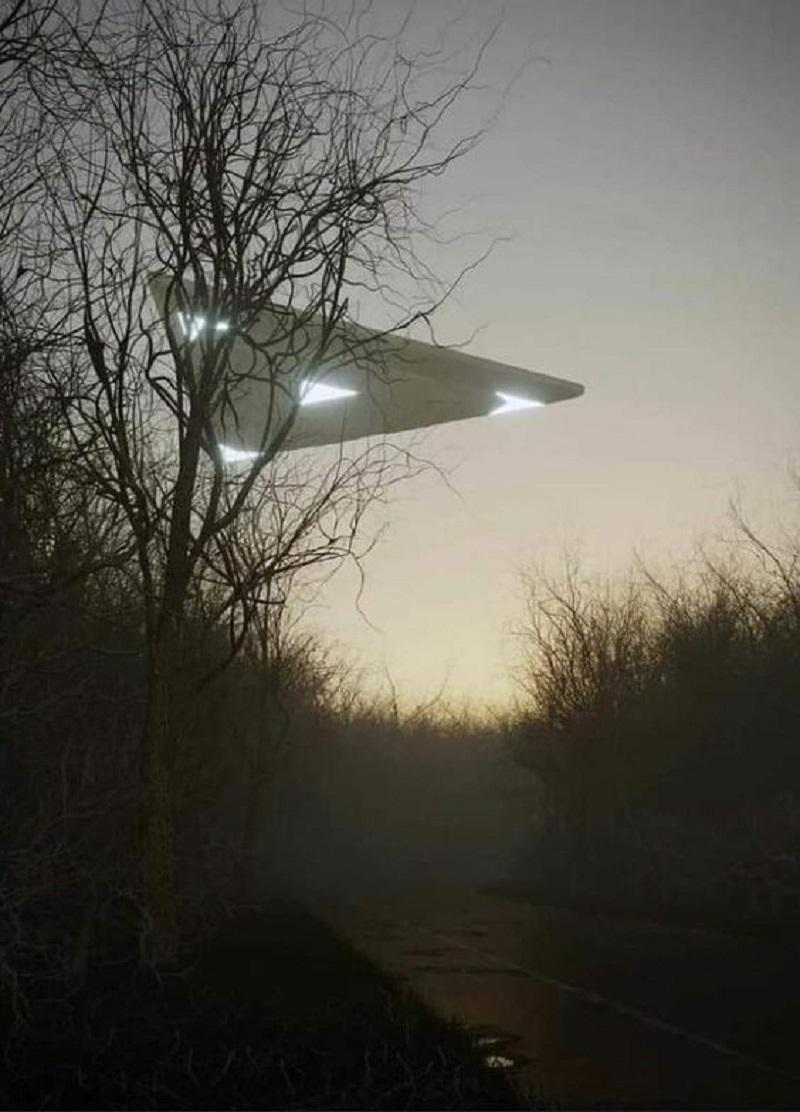
One of the most fascinating aspects of UFO sightings is the variety of shapes reported. The typical saucer-shaped UFO is just one of many. Witnesses have described triangular, cylindrical, spherical, and even diamond-shaped objects. Some reports detail more unconventional shapes, challenging our understanding of what technology or natural phenomena could produce.

III. Patterns in UFO Shapes
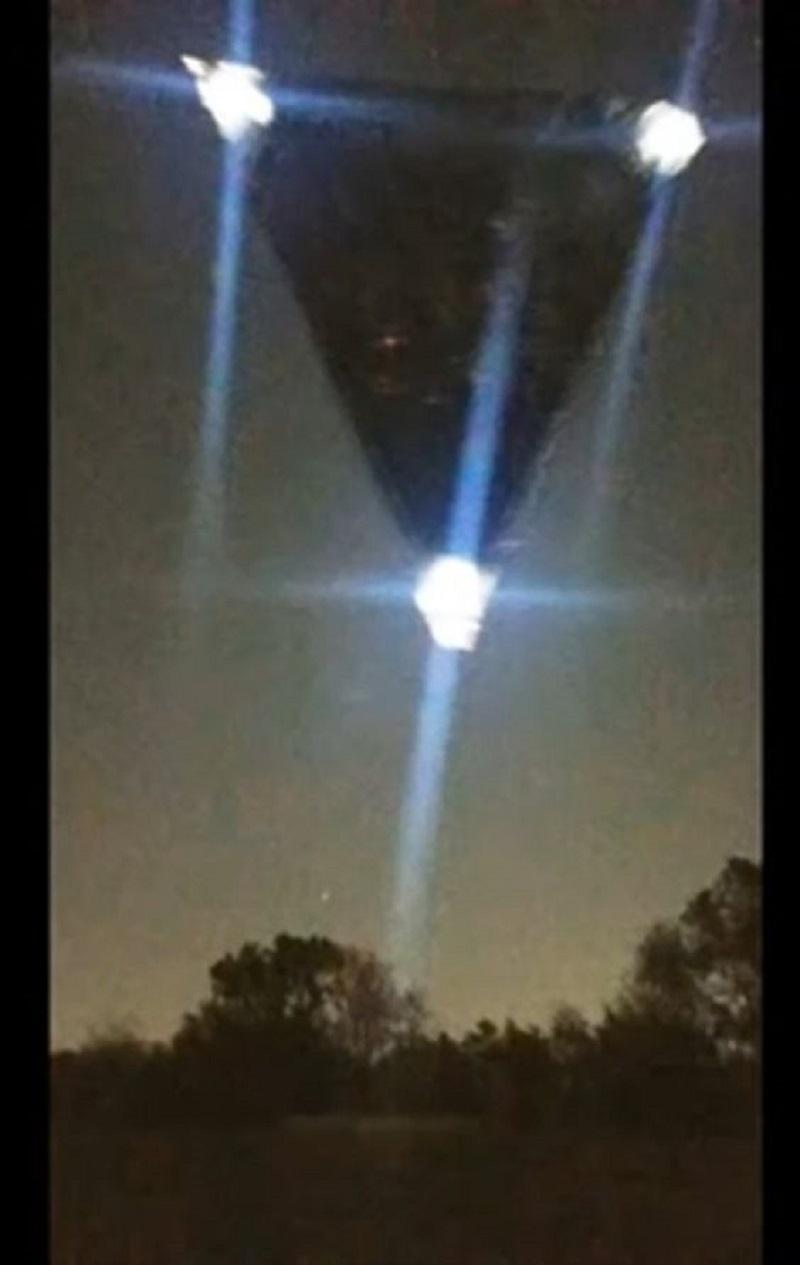
Analyzing the data from government UFO databases reveals intriguing patterns. For instance, some shapes seem to be associated with specific time periods or geographic locations. Triangular UFOs, for example, have been reported with increasing frequency in recent years. These patterns may provide clues about the nature and origin of these mysterious objects.

IV. The Myterity Persists

Despite decades of data collection and analysis, the myterity of UFOs endures. Government databases contain a wealth of reports, but conclusive answers remain elusive. As technology and investigative techniques advance, researchers continue to search for explanations. Are these shapes indicative of advanced military technology, natural atmospheric phenomena, or something truly otherworldly?

Government UFO databases are invaluable resources for studying the myterity of UFO shapes. The data contained within these records provide a window into the world of unidentified flying objects and the diverse array of shapes reported by witnesses. While patterns and trends emerge, many questions remain unanswered. The myterity of UFOs and their intriguing shapes continues to captivate the imaginations of those seeking to unravel the enigma of these unexplained aerial phenomena. As research and analysis of these databases continue, we move closer to uncovering the truth about these strange and captivating shapes that populate the skies of our world.

0 views
Lyrebirds in Their Natural Habitat: Where to Spot Them
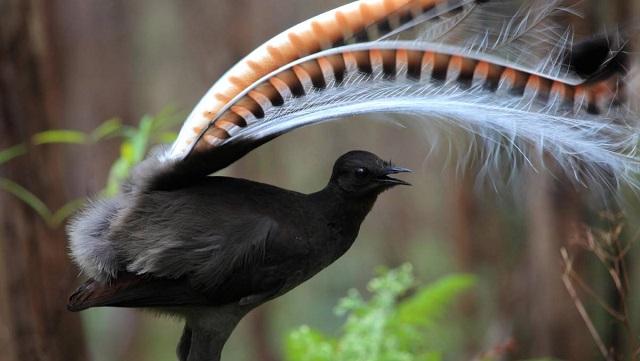
So, what do you make of it? I wanted this blog post about Lyrebirds, its songs, gorgeous tail, and strange nesting place to start with a video. I thought the video will capture the attention of bird lovers and would poke their curiosity so much that they would like to plan a Lyrebirds safari when time permits.Anticipating such a desire, I have blogged about:  Places to see lyrebird in their home grounds Their ability to sing various tunes Their prey OMG! What a plumage! I think they need not sing at all to attract their partners. Their lovely, long tail is more than enough for the female lyrebirds to fall instantly in love. Nevertheless, I suppose the male lyrebirds need to sing loudly to let their opposite gender know about their whereabouts. That is the time the male lyrebirds also raise their tail and spread the feathers to attract their lovers. The Song of Lyrebirds I am 100% sure you are simply captivated by the song of the lyrebird. It makes so many different sounds that make the ornithologists say the lyrebird mimics. However, I beg to disagree. It gifted with a great range of song tunes. Oh, I should mention that only the male lyrebirds sing like that. What kinds of places where the lyrebirds can be found? Birds chose to live where their prey are in abundance. The lyrebirds eat worms and insects.  They spotted in wetlands near forests and marshy river banks. However, though there is no dearth of such places all over the world, the lyrebird somehow chose to live in and around the rainforests in Australia. Lyrebird’ long-tail an impediment? Does the voluminous long tail of the lyrebird make flying, a hazardous task? I think so; rather the lyrebirds must think so and that’s why they are not often found in flight.  They mostly walk or run around the forest grounds to peck at their meal. Strange habit of male lyrebird When they want to showcase their beautiful plumage and great singing ability, they somehow find a higher platform on the earth (do they manually make such a place) and go about their business of singing sweetly and dancing with their tail raised over their head. What a performance! Don’t they resemble the male peacock in a miniature way? In fact, the lyrebirds were once known as peacock-wrens and Australian birds-of-paradise. Lyrebirds are found in large numbers in: The mountains of Queensland’s southeast part Yarra Valley, Victoria Tasmania Dandenong Ranges near Melbourne Northeast of New South Wales South Gippsland, Southeast Victoria I wonder if the lyrebird are endemic to the rainforests and mountains of Australia! There are five national park areas in Australia where the beautiful lyrebirds are spotted in their habitat. However, you can only see them if you are lucky as the lyrebird is extremely shy of human beings. The Badger Weir Walks, Victoria Eastern Sherbrooke Forest walk, Kallista, Victoria Eagles Nest walk, New England National Park, New South Wales, Australia Olinda Creek Walking track, Melbourne (50 km only) Lyrebird Forest walk, Gippsland, Victoria To and fro, you will walk for about 5 km approximately through the Gippsland’s forested area. If you are intent on spotting the lyrebird, you must walk slowly, looking around for the elusive lyrebird. It may take about 90 minutes to come back after reaching the walking track. Post Views: 88 Related