Logo

The Art of Sourdough Danish Pastries: A Step-by-Step Guide

There’s something truly magical about the aroma of freshly baked pastries wafting through your kitchen, especially when you’re the one responsible for creating that delicious symphony of flavors. In this comprehensive guide, we’re diving deep into the world of Sourdough Danish Pastries, uncovering the secrets to making these heavenly treats right in your home. With a perfect blend of tradition and creativity, this recipe promises to elevate your baking skills and delight your taste buds.
Creating the Foundation: The Starter

Every great sourdough pastry begins with a lively starter. In a mixing bowl, combine 30g of starter, 60g of flour, and 60g of water. Let this mixture ferment until it’s bubbly and active. This living ingredient infuses your pastries with that distinctive tang and complex flavor profile that sets them apart from the ordinary. Patience is key here – a well-fed and active starter makes all the difference in the world.
Crafting the Perfect Dough

Once your starter is ready, it’s time to create the dough. In a large bowl, mix 450g of all-purpose flour, 50g of granulated sugar, a large egg, 100g of milk, 80g of water, your prepared starter, 1 teaspoon of salt, and optionally, ¼ teaspoon of ground cardamom for that aromatic twist. Incorporate these ingredients until you have a smooth, elastic dough. Don’t rush this step – allowing the dough to rest and rise ensures a light and airy pastry texture that melts in your mouth.
Filling and Shaping Your Pastries

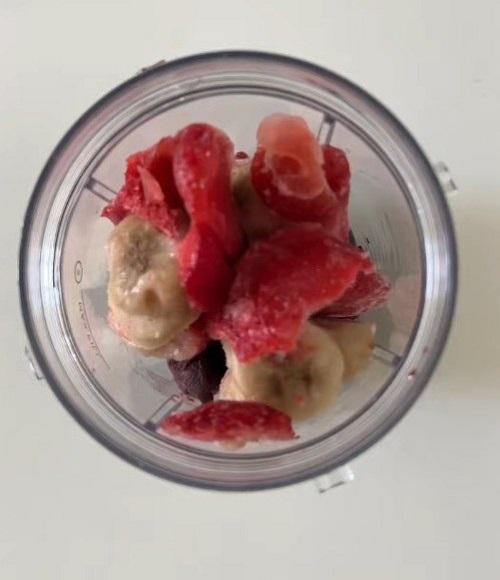
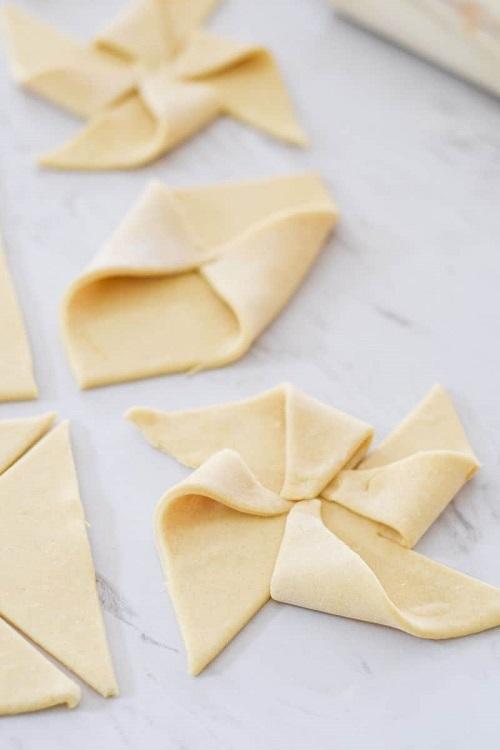
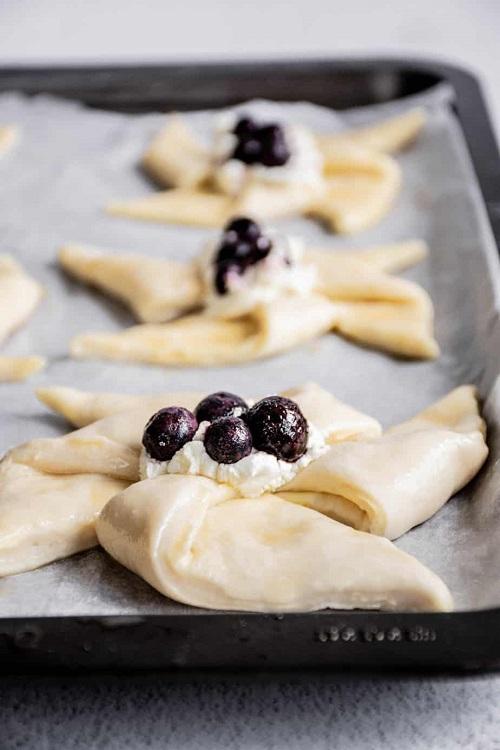
Now comes the fun part – shaping and filling your Danish pastries. Roll out the dough into a rectangle and spread a luscious mixture of 113g of room-temperature cream cheese, lemon juice, lemon zest, and powdered sugar. Add a handful of fresh or frozen berries for a burst of fruity goodness. Fold and layer the dough to create those iconic flaky pockets of goodness. For an extra layer of indulgence, prepare a butter packet by combining 250g of softened unsalted butter with 1 ½ tablespoons of all-purpose flour. Encase this buttery delight within your dough, creating multiple layers that will puff up beautifully in the oven.
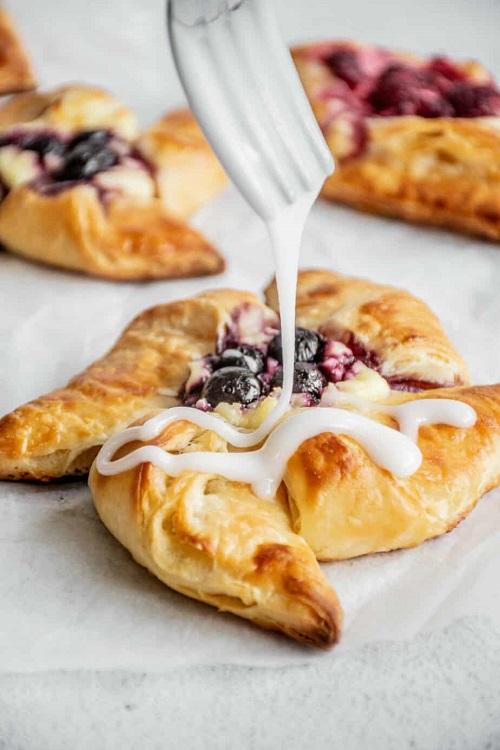
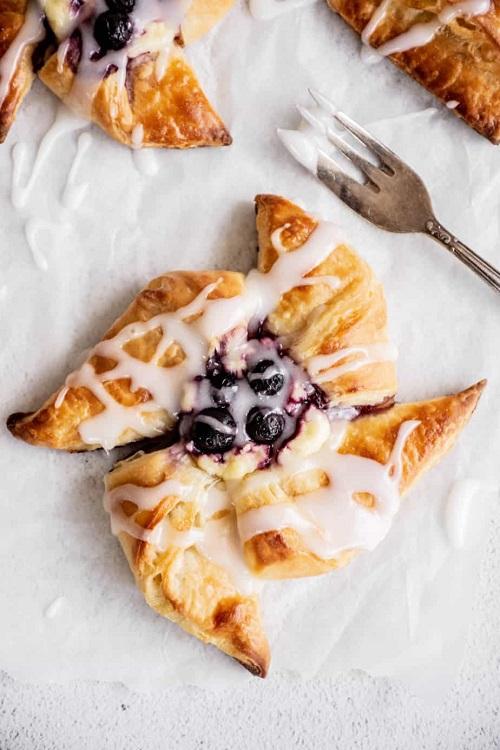
Preheat your oven and brush the shaped pastries with a golden egg wash made by mixing a large egg with a tablespoon of water. Bake these treasures until they’re gloriously golden brown, their tempting aroma filling your kitchen. Once out of the oven, let them cool slightly before dusting with a touch of powdered sugar for that perfect finishing touch.

0 views
Alien Biochemistry: Investigating Non-Carbon-Based Life
The search for extraterrestrial life has traditionally been rooted in our understanding of carbon-based life forms, similar to those found on Earth. However, the vastness of the universe and the diversity of its environments raise the possibility that life may exist in forms that differ fundamentally from what we know. In this blog post, we will explore the concept of non-carbon-based life and the potential biochemistry of alien organisms, shedding light on the mysteries of their potential existence. I. Carbon-Based Life on Earth Life on Earth is predominantly carbon-based, with organic compounds forming the basis of biological processes. Carbon is unique in its ability to form complex and stable molecules, making it an ideal building block for life. However, the question arises: Is carbon the only element capable of supporting life? II. The Search for Alien Biochemistry As scientists search for signs of extraterrestrial life, they consider the possibility of non-carbon-based life forms. Elements like silicon, sulfur, and even nitrogen are explored as potential alternatives to carbon in the biochemistry of alien organisms. These elements possess some of the key properties necessary for life, such as the ability to form stable compounds and adapt to different environments. III. The Challenges of Non-Carbon-Based Life While non-carbon-based life is theoretically possible, it presents a range of challenges for detection and understanding. If alien biochemistry differs significantly from what we know, our methods for identifying signs of life may prove inadequate. Additionally, the extreme diversity of environments in the universe makes it challenging to predict what type of biochemistry may be prevalent in extraterrestrial life forms. IV. The Enigma of Alien Biochemistry The concept of non-carbon-based life adds complexity to the search for extraterrestrial life. While carbon-based life may be more familiar to us, the potential existence of alternative biochemistry underscores the vastness of the universe and the mysteries of the cosmos. As we continue to explore the enigma of alien UFOs and the potential for extraterrestrial life, we must remain open to the possibility of biochemistry that defies our current understanding. In conclusion, the investigation of non-carbon-based life expands the horizons of astrobiology and the search for extraterrestrial life. While carbon-based life is the foundation of our understanding, the vast and diverse universe offers the potential for alternative forms of biochemistry. The mysteries of the cosmos and the enigma of alien UFOs challenge us to remain open to the unknown and to explore the uncharted frontiers of potential extraterrestrial life. Post Views: 765 Related