
Alien Biochemistry: Investigating Non-Carbon-Based Life

Posted May 13, 2025

The search for extraterrestrial life has traditionally been rooted in our understanding of carbon-based life forms, similar to those found on Earth. However, the vastness of the universe and the diversity of its environments raise the possibility that life may exist in forms that differ fundamentally from what we know. In this blog post, we will explore the concept of non-carbon-based life and the potential biochemistry of alien organisms, shedding light on the mysteries of their potential existence.

I. Carbon-Based Life on Earth

Life on Earth is predominantly carbon-based, with organic compounds forming the basis of biological processes. Carbon is unique in its ability to form complex and stable molecules, making it an ideal building block for life. However, the question arises: Is carbon the only element capable of supporting life?

II. The Search for Alien Biochemistry
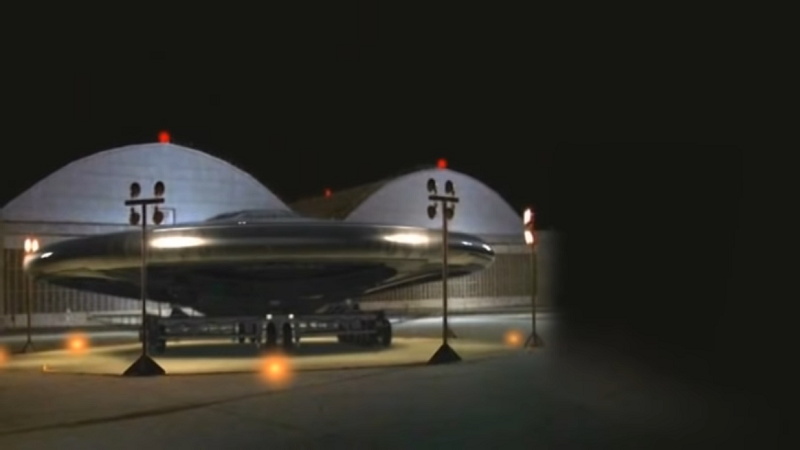
As scientists search for signs of extraterrestrial life, they consider the possibility of non-carbon-based life forms. Elements like silicon, sulfur, and even nitrogen are explored as potential alternatives to carbon in the biochemistry of alien organisms. These elements possess some of the key properties necessary for life, such as the ability to form stable compounds and adapt to different environments.

III. The Challenges of Non-Carbon-Based Life

While non-carbon-based life is theoretically possible, it presents a range of challenges for detection and understanding. If alien biochemistry differs significantly from what we know, our methods for identifying signs of life may prove inadequate. Additionally, the extreme diversity of environments in the universe makes it challenging to predict what type of biochemistry may be prevalent in extraterrestrial life forms.

IV. The Enigma of Alien Biochemistry

The concept of non-carbon-based life adds complexity to the search for extraterrestrial life. While carbon-based life may be more familiar to us, the potential existence of alternative biochemistry underscores the vastness of the universe and the mysteries of the cosmos. As we continue to explore the enigma of alien UFOs and the potential for extraterrestrial life, we must remain open to the possibility of biochemistry that defies our current understanding.

In conclusion, the investigation of non-carbon-based life expands the horizons of astrobiology and the search for extraterrestrial life. While carbon-based life is the foundation of our understanding, the vast and diverse universe offers the potential for alternative forms of biochemistry. The mysteries of the cosmos and the enigma of alien UFOs challenge us to remain open to the unknown and to explore the uncharted frontiers of potential extraterrestrial life.


UFO Encounters in Earth’s Orbit
The vast expanse of space surrounding Earth has long been a source of fascination and mystery. Among the enigmas that orbit our planet, UFO encounters in Earth’s orbit hold a special place. In this blog post, we will explore the intriguing phenomenon of UFO sightings and encounters in the Earth’s orbit, shedding light on some of the most compelling incidents and the myterity that surrounds them. I. The Mysterious World of Earth’s Orbit Earth’s orbit is a realm of scientific exploration and satellite technology, but it’s also a place where unexplained and unidentified flying objects have made their presence known. UFO encounters in orbit have been reported by astronauts, scientists, and space agencies around the world, challenging our understanding of what may exist beyond our atmosphere. II. High-Profile UFO Encounters Throughout the history of space exploration, there have been several high-profile encounters with unidentified objects in Earth’s orbit. Notably, in 1965, astronaut James McDivitt photographed an object he couldn’t identify while aboard Gemini IV. Later, in 1985, Space Shuttle Discovery’s crew captured footage of mysterious objects flying alongside the shuttle. These encounters have perplexed experts and remain some of the most discussed cases of UFOs in orbit. III. The Myterity of UFOs in Earth’s Orbit Despite numerous accounts of UFO encounters in Earth’s orbit, the myterity surrounding their origin and purpose endures. Skeptics argue that these sightings may be explainable phenomena or even space debris. However, many ufologists and researchers contend that these objects display flight patterns and characteristics inconsistent with known space phenomena, leading to the belief that they could be of extraterrestrial origin. IV. The Ongoing Search for Answers The study of UFO encounters in Earth’s orbit continues to captivate the public’s imagination. As space exploration and commercial ventures to the cosmos expand, the quest for answers intensifies. Governments and space agencies are urged to release more information and data on these encounters, allowing for a more comprehensive understanding of what might be happening in our planet’s vicinity. UFO encounters in Earth’s orbit remain one of the most perplexing and enduring mysteries in the realm of space exploration. Whether they are the result of advanced technology, natural phenomena, or something altogether different, the myterity of these objects endures. As we venture further into space, the search for answers and the understanding of our place in the universe take on new significance. The uncharted territory of space invites us to explore not only the mysteries beyond our world but also the enigmas that may lie just outside our atmosphere, reminding us that the universe is an endless source of wonder and questions that beg to be answered. Post Views: 816 Related

News