
The Dogon tribe, an indigenous people residing in Mali, West Africa, has long been the subject of intrigue and fascination among UFO enthusiasts and researchers. Their ancient knowledge of the star system Sirius, which includes the invisible companion star Sirius B, has led to speculation about the possibility of extraterrestrial contact. In this blog post, we will delve into the intriguing relationship between the Dogon tribe and the Sirius system, exploring the historical accounts, scientific explanations, and the enduring mysteries that continue to surround this enigmatic connection.
I. The Dogon’s Knowledge of Sirius

The Dogon people possess a rich oral tradition, and their priests, known as the Hogon, have been responsible for preserving their cultural and scientific knowledge. Among their teachings is a detailed understanding of the Sirius star system, which includes the highly dense, white dwarf companion star Sirius B. The Dogon’s description of Sirius B’s properties, such as its size, weight, and orbital characteristics, has been a subject of fascination and debate.
II. Griaule and Dieterlen’s Research
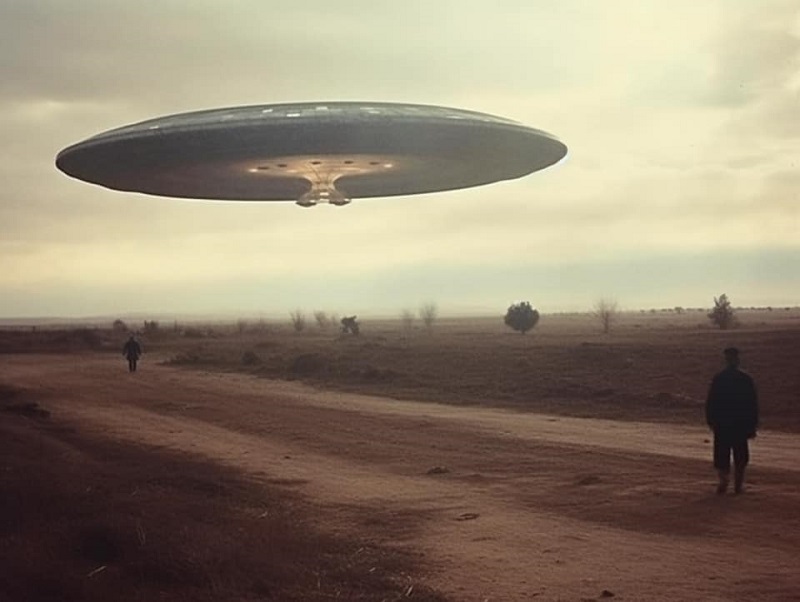
The most well-known account of the Dogon’s knowledge of Sirius comes from the work of two French anthropologists, Marcel Griaule and Germaine Dieterlen, who conducted extensive research on the Dogon culture in the 1930s and 1940s. They documented the Dogon’s detailed knowledge of the Sirius system and the way it was integrated into their religious and cultural practices.
III. Scientific Explanations

Skeptics argue that the Dogon’s knowledge of Sirius could have been influenced by contact with Western researchers, books, or missionaries. Some also point to the possibility of cultural diffusion, where knowledge may have been passed through neighboring tribes. Nevertheless, the specific details and complexity of the Dogon’s knowledge of Sirius B continue to raise questions.
IV. Ancient Astronomical Insights
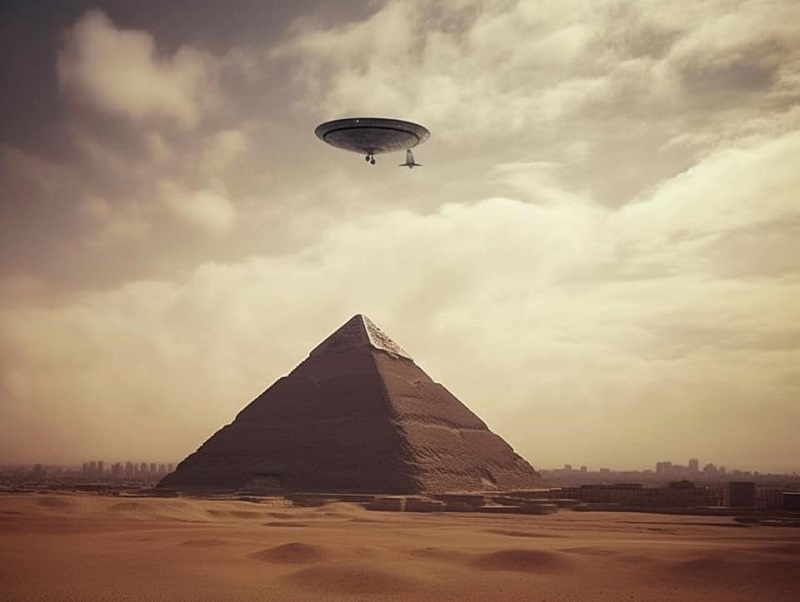
While the origin of the Dogon’s knowledge remains a subject of debate, their understanding of celestial bodies highlights the potential for ancient cultures to possess advanced astronomical insights. Whether their knowledge is a result of extraterrestrial influence or a product of their own observations, the Dogon’s connection to the Sirius system is an intriguing aspect of our shared human history.
V. The Enigma Endures

The Dogon’s relationship with the Sirius system remains an enduring enigma in the realm of ancient knowledge and extraterrestrial theories. While some explanations seek to ground their understanding in Earthly factors, the complexity of their knowledge continues to captivate those who explore the mysteries of the universe.
The Enigma of Alien UFOs
The story of the Dogon tribe and their knowledge of the Sirius system serves as a compelling reminder of the enduring fascination with the possibility of extraterrestrial contact and the mysteries that persist. Whether their knowledge is attributed to terrestrial factors or otherworldly influences, it underscores the importance of continued exploration and research.
In our exploration of the Dogon’s connection to Sirius B and the enduring questions it raises, it is essential to maintain a balance between curiosity and skepticism. While their knowledge is remarkable, a critical examination of its origins is crucial to understanding this enigmatic relationship.
As we ponder the mysteries of the Dogon tribe’s connection to the Sirius system and the enduring questions it raises about ancient knowledge and the potential for extraterrestrial influences, we must also acknowledge the fascination with the unknown and the enigmatic world of alien UFOs. Whether their knowledge is ultimately attributed to Earthly sources or remains a topic of speculation, the mysteries of the cosmos continue to captivate our collective imagination, reminding us that the universe is full of wonders and enigmas waiting to be uncovered.
Above is the article to read about ” The Dogon Tribe and Sirius B: An Ancient Alien Connection?”
You can refer to more UFO and alien videos here!
Read more similar articles here!